
HEMANGIOSARCOMA IN DOGS
THE COMPLETE GUIDE FOR PET PARENTSA science-based, compassionate roadmap for understanding, treating, and managing
one of the most aggressive canine cancers.
let's go.
IF YOUR DOG WAS JUST DIAGNOSED WITH HEMANGIOSARCOMA,
THIS GUIDE IS FOR YOU.
IF YOUR DOG WAS JUST DIAGNOSED WITH HEMANGIOSARCOMA…
Hemangiosarcoma is one of the most devastating diagnoses a dog parent can hear.
Often, the diagnosis comes out of nowhere — your dog may have been playing normally
just hours earlier. Many families first learn about this cancer during an emergency, after
their dog collapses or shows signs of internal bleeding.
You feel blindsided, and you’re desperate to understand what you can do next.
Let’s do it.

I WROTE THIS GUIDE TO OFFER YOU:
• Clear, compassionate, real-world explanations
• A breakdown of every valid treatment option
• Honest and empathetic discussion of prognosis
• Guidance on making the most meaningful decisions for your dog
• Evidence-based integrative therapies
• The role of surgery, chemo, supplements, and clinical trials
• How to monitor for complications
• What to expect day-to-day
• What to do if your dog is bleeding
• And how to give your dog the most love-filled, comfortable life possible
YOU ARE NOT ALONE.
YOU ARE NOT FAILING YOUR DOG.
YOU’RE IN THE RIGHT SPOT.
I CAN HELP YOU.
FAST FACTS ABOUT HEMANGIOSARCOMA IN DOGS–A quick summary before diving deeper.
HSA = A cancer of the cells lining blood vesselsE– Extremely common in older dogs
• Most often found in:
• Spleen
• Liver
• Right atrium of the heart
• Skin (cutaneous HSA — far less dangerous)
INTERNAL MASSES ARE SILENT UNTIL THEY RUPTURE.
• Rupture → internal bleeding → collapse or sudden death
• Emergency surgery (splenectomy) is often the first step
TREATMENT– Chemotherapy significantly extends survival
• Without treatment: 1–4 weeks
• Surgery alone: 1–3 months
• Surgery + chemo: 6–9 months average
• A small percentage live 12–18 months
• Integrative therapies improve comfort and quality of life
• Clinical trials and immunotherapies are emerging
Hemangiosarcoma is aggressive — but dogs can still have meaningful, joyful time left with good care.
YOUR ROADMAP FOR THE FIRST WEEK WITH HEMANGIOSARCOMA
• If your dog is actively bleeding (pale gums, collapse):
• Emergency room immediately
• IV fluids
• Stabilization
• Possible emergency surgery
If the diagnosis has already been made:
Within 1–3 days:
• Decide on surgery
• Review chest x-rays
• Review abdominal ultrasound
• Prepare for transfusion if needed
• Discuss goals with your veterinarian
Within 7 days:
• If surgery was performed, discuss chemo options
• Begin integrative therapies
• Build a home monitoring plan
You are making rapid decisions — this guide helps you make informed ones.
WHAT HEMANGIOSARCOMA IS — AND WHAT IT MEANS FOR YOUR DOG
Hemangiosarcoma (HSA) is a malignant tumor from blood vessel cells,
Because they arise from blood vessels, HSA tumors:
• Are filled with blood
• Have fragile walls
• Can rupture at any time
• Spread early to organs such as liver, omentum, lungs, and heart
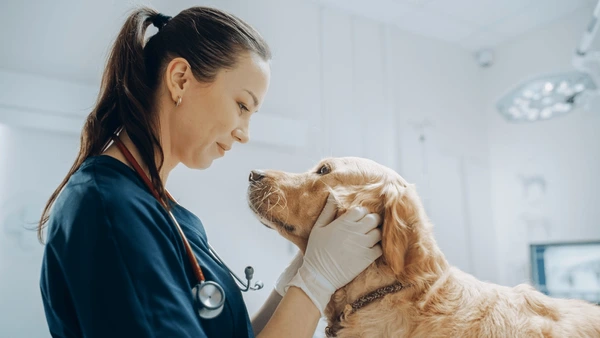
SYMPTOMS BEFORE INTERNAL BLEEDING
- Many dogs show no symptoms until the tumor bleeds, but subtle early signs can include:
• Fatigue
• Mild abdominal swelling
• Pale gums
• Intermittent weakness
• Increased panting
• Poor appetite
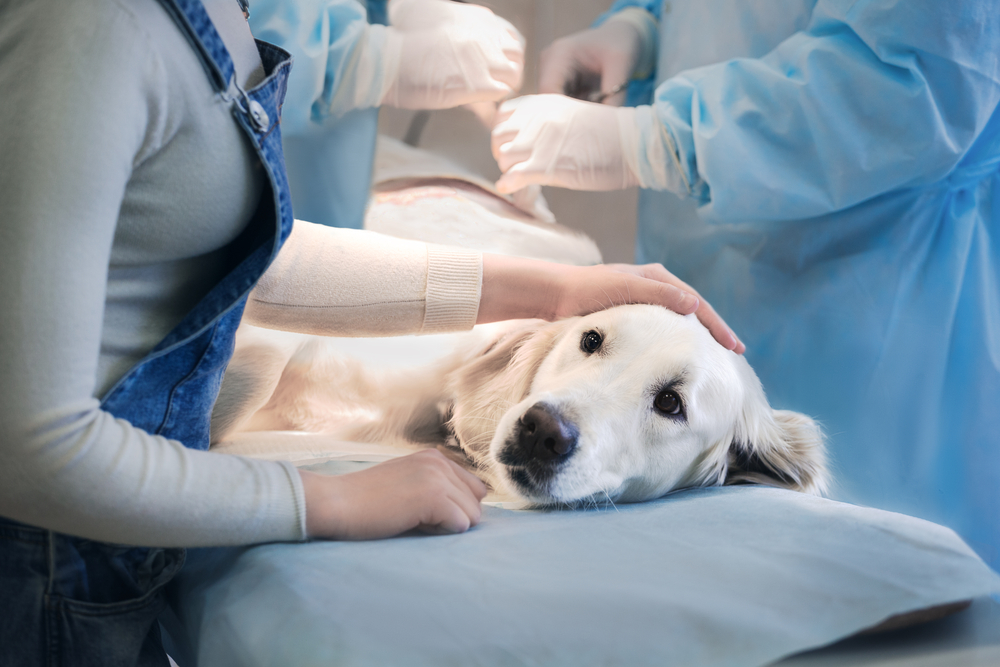
SYMPTOMS OF INTERNAL BLEEDING
These are an EMERGENCY!!
• Sudden collapse
• Pale or white gums
• Weakness
• Distended abdomen
• Rapid breathing
• Cold paws
• Unresponsiveness
DIAGNOSING HEMANGIOSARCOMA
1. Abdominal Ultrasound
The most important diagnostic tool.
Shows:
• Mass size
• Rupture status
• Free fluid (blood)
• Metastasis
2. Chest X-rays
Check for spread to lungs (common in heart HSA).
3. Bloodwork
Often shows:
• Anemia
• High liver enzymes
• Low platelets
• Elevated clotting times
4. Echocardiogram
Required if heart HSA is suspected.
5. Cytology/biopsy
HSA often cannot be confirmed without histopathology. ALWAYS DO THIS.
TREATMENT OPTIONS FOR HEMANGIOSARCOMA IN DOGS
Integrative Oncology– The Helping Pets Live Longer Approach.
SUPPLEMENTS PROVEN EFFECTIVE FOR HEMANGIOSARCOMA
Integrative support significantly improves:
• Appetite and Comfort
• Energy and Emotional Wellbeing
• Inflammation levels
• Quality of life
What they don’t do? Replace Drug Therapy, Above.

YUNNAN BAO
• Helps reduce bleeding
• Often used before/after surgery
MEDICINAL MUSHROOMS
• Turkey Tail (PSK/PSP)
• Reishi
• Maitake
• Shiitake
Studies show immune modulation and potential anti-cancer effects.
CURCUMIN
• Reduces inflammation
• Anti-angiogenic properties
MELATONIN
• Anti-oxidative
• Anti-cancer effects in some studies
THE BEST DIET FOR HSA PETS
Best diet for HSA:
• High protein
• Moderate fat
• Low simple carbs
• Fresh whole foods
• Anti-inflammatory ingredients
Avoid:
• Processed treats
• Sugary foods
• Omega-6 heavy diets
PROGNOSIS FOR HEMANGIOSARCOMA
Without treatment
1–4 weeks
With surgery only
1–3 months
With surgery + doxorubicin chemotherapy
6–9 months average
Long-term survivors
10–15% reach 12–18 months
A very small minority exceed 2 years.
Factors improving prognosis:
• Complete mass removal
• No rupture
• Cutaneous rather than visceral HSA
• No heart involvement
• Strong response to chemotherapy
Factors worsening prognosis:
• Rupture
• Heart involvement
• Liver metastasis
• Subcutaneous HSA
• Poor recovery from surgery
QUALITY OF LIFE AND WHAT TO EXPECT
Most dogs feel better right after surgery
Internal bleeding causes weakness — once removed, dogs often perk up dramatically.
During chemotherapy
Most dogs:
• Continue walks
• Eat normally
• Play normally
Minor side effects may occur for 1–2 days after treatment.
Daily monitoring at home
• Gum color
• Energy level
• Appetite
• Breathing
• Abdominal swelling
• Pain signs
What to track weekly
• Weight
• Bloodwork results
• Activity level
• Any collapse episodes
WHEN TO SEEK EMERGENCY CARE
Go to the ER immediately if your dog shows:
• Sudden collapse
• Pale/white gums
• Heavy panting
• Bloated abdomen
• Vomiting blood
• Restlessness + weakness
• Severe lethargy
• Cold extremities
These signs may indicate internal bleeding, which can be fatal.
WHAT NOT TO DO
• Don’t delay treatment after diagnosis
• Don’t assume surgery alone is enough
• Don’t rely on unproven “natural cures”
• Don’t give supplements without vet guidance
• Don’t wait until collapse to seek help
• Don’t isolate your dog — love matters more than ever
QUALITY OF LIFE AND WHAT TO EXPECT
Most dogs feel better right after surgery
Internal bleeding causes weakness — once removed, dogs often perk up dramatically.
During chemotherapy
Most dogs:
• Continue walks
• Eat normally
• Play normally
Minor side effects may occur for 1–2 days after treatment.
Daily monitoring at home
• Gum color
• Energy level
• Appetite
• Breathing
• Abdominal swelling
• Pain signs
What to track weekly
• Weight
• Bloodwork results
• Activity level
• Any collapse episodes
WHAT NOT TO DO
• Don’t delay treatment after diagnosis
• Don’t assume surgery alone is enough
• Don’t rely on unproven “natural cures”
• Don’t give supplements without vet guidance
• Don’t wait until collapse to seek help
• Don’t isolate your dog — love matters more than ever
WHEN TO SEEK EMERGENCY CARE
Go to the ER immediately if your dog shows:
• Sudden collapse
• Pale/white gums
• Heavy panting
• Bloated abdomen
• Vomiting blood
• Restlessness + weakness
• Severe lethargy
• Cold extremities
These signs may indicate internal bleeding, which can be fatal.
QUESTIONS TO ASK YOUR VETERINARIAN OR ONCOLOGIST
Surgery
• Was the tumor ruptured?
• Were other masses found?
• Is my dog stable for anesthesia?
• What is my dog’s expected recovery timeline?
Chemo
• When should chemo start?
• What protocol do you recommend?
• What side effects should I watch for?
Prognosis
• Is this splenic or cardiac?
• Is there evidence of metastasis?
• What does long-term management look like?
Integrative care
• Which supplements are beneficial?
• How should I adjust diet?
• What are signs that my dog is uncomfortable?
FREQUENTLY ASKED QUESTIONS (SEO BLOCK)
Is hemangiosarcoma painful?
Not usually until it ruptures. Bleeding causes distress and weakness.
Can hemangiosarcoma be cured?
No known cure, but treatment can extend life significantly.
Does chemo help?
Yes — it doubles or triples survival time.
Is surgery worth it?
Yes, if your dog is stable and you plan to follow with chemo.
Should I euthanize immediately after diagnosis?
Not necessarily. Many dogs enjoy meaningful, joyful extra months with treatment.
How fast does hemangiosarcoma spread?
Very fast — microscopic metastasis happens early.
YOU ARE NOT ALONE — WE CAN BUILD A PLAN TOGETHER
Hemangiosarcoma is one of the most emotionally crushing diagnoses in veterinary medicine.
But families still have choices — and time.
And your dog still has moments left to love, play, rest, and enjoy life with you.
READY FOR A PERSONALIZED HEMANGIOSARCOMA ROADMAP?
You don’t have to navigate your dog’s lymphoma alone.
I’m Dr. Kevin. I have been a veterinarian for 40 years and have a passion for helping cancer patients. I will help you interpret your dog’s staging, labs, pathology, and treatment options — and design a plan tailored to your dog’s age, health, and your goals. It’s CONCIERGE MEDICINE at its best.