
let's go.
IF YOUR DOG WAS JUST DIAGNOSED WITH INTESTINAL ADENOCARCINOMA,
THIS GUIDE IS FOR YOU.
IF YOUR DOG WAS JUST DIAGNOSED WITH INTESTINAL ADENOCARCINOMA…
If your dog was just diagnosed with intestinal adenocarcinoma, you’re likely
overwhelmed, frightened, and searching for real, trustworthy information—not worst-case
Google spirals at 2 a.m.
This guide is written for you—the science-driven, deeply bonded pet parent who wants
facts, options, and a plan.
As a veterinarian with 40 years of clinical experience in cancer, internal medicine, and
longevity care, my job is to help you understand this diagnosis and what you can do next to
give your dog the longest, healthiest life possible.

YOU ARE NOT ALONE.
YOU ARE NOT FAILING YOUR DOG.
YOU’RE IN THE RIGHT SPOT.
I CAN HELP YOU.
FAST FACTS ABOUT INTESTINAL ADENOCARCINOMA IN DOGS–A quick summary before diving deeper.
What it is:
A malignant cancer that arises from the glandular cells lining the small intestine or colon.
How it develops:
Normal intestinal epithelial cells mutate and begin dividing uncontrollably, forming an invasive tumor that can obstruct the intestines or spread to lymph nodes, liver, or lungs.
Is it aggressive?
Yes. Intestinal adenocarcinoma is generally invasive and has a moderate-to-high likelihood of metastasis at diagnosis.
Is it painful?
Often, yes—due to inflammation, ulceration, intestinal obstruction, or abdominal discomfort.
Why it happens:
Most cases are sporadic age-related mutations; risk is higher in older dogs. Some breeds (Collies, German Shepherds, Belgian Shepherds) may be predisposed.
Life expectancy if untreated:
Often weeks to a few months.
Best first step for pet parents:
A CT scan or high-quality abdominal ultrasound to determine spread and surgical options.
Most important diagnostic tests:
• Abdominal ultrasound or CT
• Full blood panel
• Biopsy or surgical pathology
• Lymph node evaluation
• Chest radiographs for metastasis
WHAT INTESTINAL ADENOCARCINOMA IS — AND WHAT IT MEANS FOR YOUR DOG
Understanding the Diagnosis
Your dog has a malignant tumor in the small intestine (duodenum, jejunum, ileum) or large intestine (colon/rectum). These tumors frequently:
• Invade deeply into the intestinal wall
• Cause partial or complete intestinal blockage
• Ulcerate and bleed
• Spread to lymph nodes, liver, or lungs
But here is the hopeful part:
Surgery can dramatically improve survival and quality of life—and in some cases is
curative if margins are clean and metastasis is minimal.
Common symptoms
Dogs may show:
• Vomiting
• Weight loss
• Diarrhea (sometimes bloody)
• Black, tarry stools (melena)
• Lethargy
• Decreased appetite or picky eating
• Abdominal pain
• Straining to defecate
• Flatulence
• Sudden collapse (rare—associated with perforation or obstruction)
How it’s diagnosed
Your dog likely underwent some or all of the following:
• Abdominal ultrasound — first-line imaging
• CT scan — best for staging & surgical planning
• Endoscopy — sometimes able to biopsy, but often too superficial
• Surgical biopsy — gold standard
• Bloodwork — anemia, protein loss, inflammation
• Fecal tests — rule out parasites/infections
Where the tumor is matters
Small intestine tumors tend to obstruct → sudden vomiting
Colon/rectal tumors tend to cause straining → chronic gastrointestinal symptoms
Growth rate and spread
• Locally invasive
• Moderate metastasis rate:
o Lymph nodes
o Liver
o Lungs
o Peritoneal cavity (carcinomatosis in severe cases)
Key prognostic factors
• Tumor location
• Surgical margins
• Presence of metastasis
• Involvement of lymph nodes
• Dog’s overall condition and weight
• Postoperative recovery
• Whether chemotherapy is added
HOW URGENT IS THIS?
What to Do Today, This Week, This Month
Today (First 24 Hours)
You don’t need to panic—but intestinal adenocarcinoma requires timely action.
Do today:
• Monitor for vomiting, abdominal swelling, collapse
• Ensure hydration
• Feed small, gentle meals if comfortable
• Collect all medical records and imaging
• Ask your vet whether obstruction is suspected
True emergencies:
• Repeated vomiting
• Inability to keep water down
• Severely painful abdomen
• Collapse
• Sudden distended abdomen
These may signal intestinal obstruction or perforation, requiring emergency surgery.

This Week
Your goals: staging and planning.
• Obtain a CT scan or repeat abdominal ultrasound
• Ask: “Is the tumor surgically removable?”
• Evaluate regional lymph nodes
• Get chest radiographs
• Discuss surgical referral
• Ask about risk of obstruction and timing of surgery
Chemotherapy planning usually follows after surgical pathology.
This Month
• Schedule surgery or palliative treatment
• Begin nutritional support
• Establish postoperative monitoring plan
• Meet with an oncologist to discuss chemo
• Consider integrative/anti-inflammatory careons.
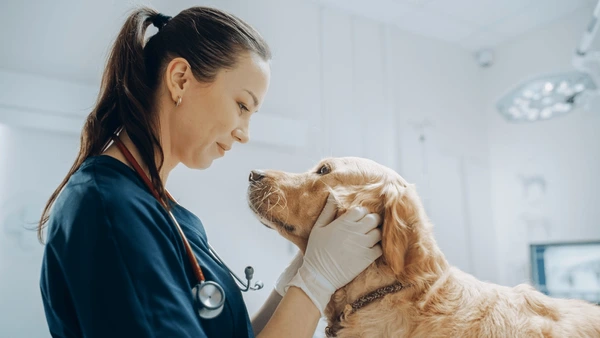
TREATMENT OPTIONS FOR INTESTINAL ADENOCARCINOMA IN DOGS
CLINICAL TRIALS FOR INTESTINAL ADENOCARCINOMA
Your Clinical Trial Hub can link to:
• Trials investigating GI carcinoma chemotherapy protocols
• Precision oncology and targeted drug trials
• Palliative care trials
• Immunotherapy/vaccine studies
• Novel NSAID or COX-inhibitor cancer studies
Trials can reduce cost and provide access to emerging therapies.
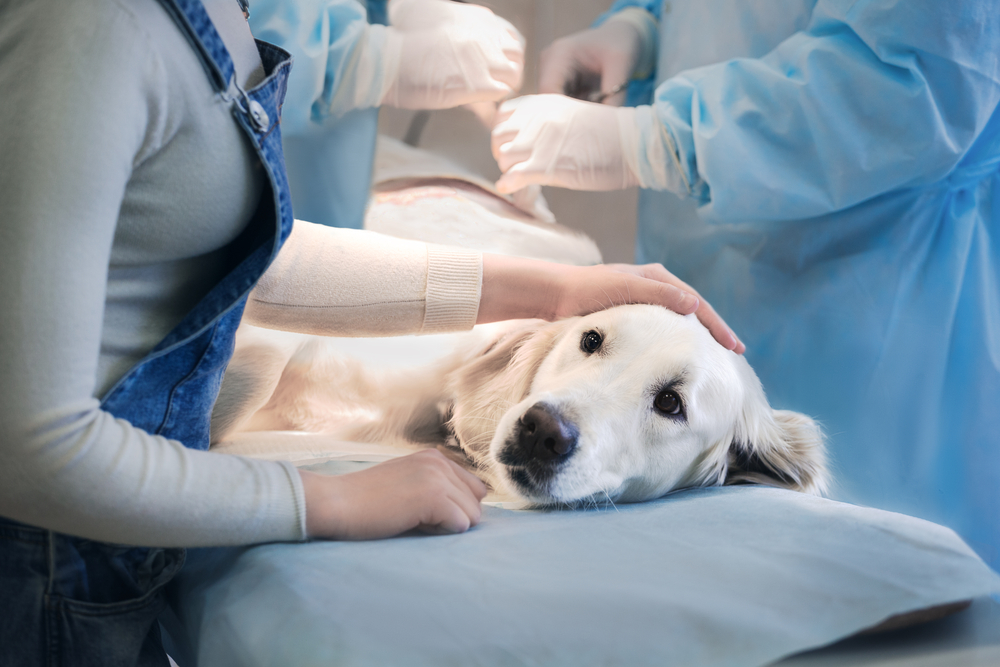
IS MY DOG IN PAIN?
Intestinal tumors can cause pain due to:
• Inflammation
• Stretching of intestinal walls
• Gas entrapment
• Mesenteric invasion
• Obstruction
• Ulceration
Signs include:
• Panting
• Restlessness
• Prayer posture
• Guarded abdomen
• Sensitivity to touch
• Trembling
Pain management options:
• NSAIDs
• Gabapentin
• Tramadol or other opioids
• Antispasmodics
• Anti-nausea medication
• Palliative surgery or radiation when needed
PROGNOSIS FOR INTESTINAL ADENOCARCINOMA
Prognosis varies widely depending on:
Prognosis varies widely depending on:
• Tumor location
• Surgical margins
• Spread at diagnosis
• Response to chemotherapy
If fully removed + minimal spread:
12–18 months, some 2+ years
If lymph nodes involved:
6–12 months with surgery + chemo
If diffuse/metastatic:
2–6 months, sometimes longer with supportive care
Quality of life:
With proper treatment, time gained is usually good-quality time with normal activity, appetite, and comfort.
WHAT YOU CAN DO AT HOME
Day-to-Day Management
• Feed multiple small meals
• Monitor appetite and stool quality
• Track vomiting frequency
• Maintain hydration
• Adjust exercise based on comfort
• Use medications for nausea, diarrhea, or pain
• Keep a daily journal for symptoms
Nutrition
Gut-friendly, anti-inflammatory nutrition is key:
• High-quality digestible protein
• Omega-3 supplementation
• Cooked vegetables (pumpkin, carrots, sweet potatoes)
• Low simple carbohydrates
• Avoid processed kibble if it worsens GI symptoms
• Consider home-cooked diets under veterinary guidance
WHAT NOT TO DO
• Don’t delay surgery—timing matters
• Don’t rely on endoscopy alone (may miss deeper tumors)
• Don’t self-prescribe supplements without guidance
• Don’t assume poor appetite means “giving up”—GI cancers often cause temporary
nausea
• Don’t wait for obstruction before seeking care
WHEN TO SEEK EMERGENCY CARE
• Repeated vomiting
• Inability to keep water down
• Collapse
• Pale gums
• Abdominal distension
• Straining without producing stool
• Blood in stool + persistent lethargy
• Severe pain
These may indicate obstruction, perforation, or bleeding.
QUESTIONS TO ASK YOUR VETERINARIAN OR ONCOLOGIST
Take this list with you:
1. Is the tumor in the small intestine or colon?
2. Is surgery recommended?
3. What are the surgical success rates for tumors like this?
4. Has it spread to lymph nodes or liver?
5. Do you recommend chemotherapy after surgery?
6. Can you remove suspicious lymph nodes during surgery?
7. Are clinical trials available?
8. What integrative therapies are safe and beneficial?
9. What is the estimated prognosis with and without surgery?
10.How can we best manage nausea, diarrhea, or pain?
YOUR NEXT STEP (SUPPORT FOR THE PET PARENT)
Pet Cancer Navigator Consultation
You do not have to navigate intestinal cancer alone.
What we can help you do:
• Interpret CT scans, ultrasound findings, and pathology reports
• Determine if surgery is urgent
• Explain chemotherapy options
• Build a personalized integrated treatment plan
• Reduce confusion, fear, and decision-fatigue
CTA Buttons for your site:
• Talk With Dr. Kevin
• Upload Your Dog’s Pathology Report
• Get a Personalized Cancer Roadmap
STORIES OF HOPE
Oliver collapsed from vomiting due to an intestinal mass. Emergency surgery removed an
adenocarcinoma with clean margins. With chemo and anti-inflammatory support, he
enjoyed 14 high-quality months with normal appetite and energy.
Sadie had chronic diarrhea for months before diagnosis. After surgery and a metronomic protocol, her stool normalized and she regained weight. She lived comfortably for another year and a half.
Stories remind families that diagnosis is not an ending—it’s a turning point.
SCIENTIFIC REFERENCES
To be listed in CMS from:
• ACVIM proceedings
• CSU, Cornell, UC Davis oncology departments
• JAVMA prostatic carcinoma outcome studies
• Fidocure genomic oncology publications
DOWNLOAD: YOUR INTESTINAL ADENOCARCINOMA ACTION PLAN
Includes:
• What to know
• What to do next
• Questions for your oncologist
• Pain control checklist
• Quality-of-life scoring
CTA: Get Your Personalized Cancer Roadmap
FREQUENTLY ASKED QUESTIONS (SEO BLOCK)
SEO-focused FAQs include:
• Can intestinal adenocarcinoma in dogs be cured?
• How long can a dog live with intestinal cancer?
• What does stool look like in dogs with intestinal tumors?
• Should I choose surgery right away?
• Does chemotherapy help GI cancer?
• What foods should dogs eat with GI cancer?
• How fast does intestinal adenocarcinoma spread?
• Is intestinal cancer painful?
• When is it time to say goodbye?
YOU ARE NOT ALONE — I CAN HELP YOU MAKE THE RIGHT DECISIONS
A Pet Cancer Navigator Consultation with Dr. Kevin provides:
• A personalized treatment roadmap
• Pain control guidance
• Amputation vs limb-sparing recommendations
• Clear prognosis
• Integrative longevity planning
• Emotional support through a devastating diagnosis